
A hospital discharge can arrive sooner than your family expects. You may need to compare facilities, gather records, and make decisions while supporting someone who is still recovering. A clear plan can make the transition feel more manageable.
Learning how to prepare for a loved one’s transition from hospital to nursing home starts with the right information. Your goal is not simply to complete the transfer. You want the next care team to understand your loved one’s medical needs, daily routines, and recovery goals. Use this list to prepare for a safer and more comfortable move.
1. Understand Why Continued Care Is Needed
Begin with the reason your loved one cannot safely return home yet. They may need rehabilitation after surgery, an injury, a stroke, or a serious illness. Others may require nursing support, wound care, medication management, or help with daily activities.
Ask the hospital team to explain the recommendation in plain language. Find out which services your loved one needs now. You should also understand what improvements the care team hopes to see.
Request a written discharge summary when available. It should describe the medical condition, recent treatment, current medications, and follow-up needs. Knowing the purpose of the nursing home stay will help you compare facilities based on care, not appearance alone.
2. Choose a Facility That Can Meet Current Needs
Not every nursing home provides the same level of support. Before selecting one, ask whether it can manage your loved one’s specific medical and physical needs.
If rehabilitation is recommended, learn which therapies are available. Ask how the nursing and therapy teams coordinate care. Someone recovering from surgery may have very different needs from a person rebuilding strength after a stroke.
Location matters because regular visits can support the transition. However, convenience should not outweigh appropriate care. Consider staffing, cleanliness, communication, resident comfort, and access to necessary services.
When possible, visit before making a decision. Look beyond the lobby. Observe resident rooms, therapy areas, dining spaces, and common areas. Notice whether staff members speak to residents with patience and respect.

3. Know Who Is Managing Each Part of the Transfer
Several people may take part in a hospital discharge. These can include physicians, nurses, discharge planners, social workers, therapists, and facility admissions staff. Without a clear contact person, important details can get lost.
Ask who is coordinating the transfer. Write down that person’s name and contact information. You should also identify the main contact at the receiving facility.
Confirm who will arrange transportation and when the move will occur. Ask whether your loved one needs a wheelchair-accessible vehicle, medical transport, or another type of assistance. Do not assume transportation has been scheduled.
Before leaving the hospital, check that the nursing home has accepted the admission. Confirm the expected arrival time and entrance to use. These small details can prevent confusion on moving day.
4. Review the Medication List Line by Line
Medication errors can happen when someone moves between care settings. Help reduce that risk by reviewing every medication before discharge.
Ask for a current list that includes each medication’s name, dose, purpose, and schedule. Compare it with the medicines your loved one took before the hospital stay. Ask why any medication was started, stopped, or changed.
Tell both care teams about allergies and previous reactions. Include prescription drugs, over-the-counter products, vitamins, and supplements. Do not bring medications from home unless the nursing home asks you to do so.
Find out whether any prescription must be filled before arrival. Also ask who will provide medication once your loved one enters the facility. Keep your own copy of the final list for future appointments and family discussions.
5. Pack for Comfort Without Bringing Too Much
A thoughtful packing list can help the new room feel familiar. Start by asking what the nursing home provides and which belongings it permits.
Pack comfortable clothing that is easy to put on and remove. Include supportive shoes with nonslip soles. Your loved one may also need glasses, hearing aids, dentures, or personal grooming items. Label belongings according to the facility’s directions.
A few familiar items can provide reassurance. Consider bringing family photographs, a favorite blanket, or a small clock. Avoid valuable jewelry, large amounts of cash, and anything difficult to replace.
Do not overcrowd the room on the first day. Space may be limited, and your loved one’s needs may change. You can bring additional items after learning what is useful.
6. Share Details That Medical Records May Miss
Clinical records explain diagnoses and treatments. They may not explain how your loved one prefers to live each day.
Tell the facility about normal routines, food preferences, sleep habits, communication needs, and sources of comfort. Explain whether your loved one has trouble hearing or needs extra time to answer questions. Mention any fears that could affect care.
Your observations can also help staff recognize changes. Describe how your loved one usually expresses pain, fatigue, hunger, or anxiety. If they become confused in unfamiliar settings, explain what helps them feel calm.
These details allow staff members to see the person beyond the medical condition. They can also support a more respectful and comfortable adjustment.
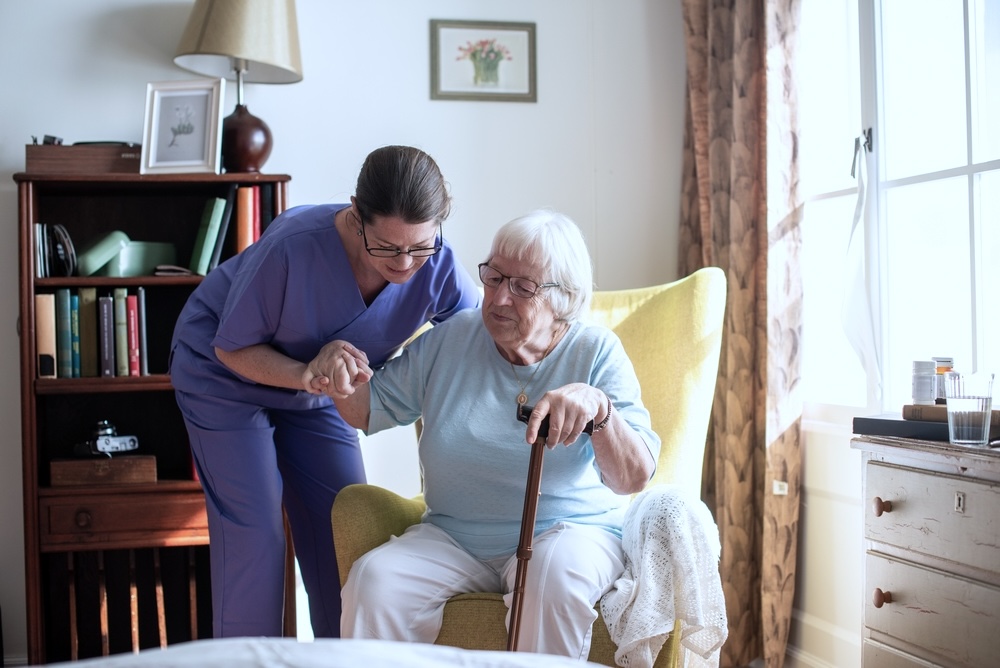
7. Prepare Your Loved One for a Different Daily Rhythm
A nursing home follows schedules for medications, meals, therapy, and care. Those routines may feel unfamiliar after a hospital stay.
Explain what is happening in simple, honest terms. Let your loved one know why continued support is needed and what the immediate goals are. Avoid promising a specific recovery date. Progress varies from person to person.
Whenever possible, involve your loved one in choices. They may want to select clothing, personal items, or preferred visiting times. Small decisions can restore a sense of control.
Mixed emotions are normal. Your loved one may feel relieved, worried, frustrated, or tired. Listen without dismissing those feelings. The transition does not need to feel positive every moment to be a helpful next step.
8. Ask How Progress and Concerns Will Be Shared
Good communication should continue after admission. Before the move, find out who will update your family about nursing care and rehabilitation.
Ask when the first care meeting will occur. Learn how the team develops goals and measures progress. You should also know whom to contact about medical changes, therapy questions, personal needs, or room concerns.
Choose one family member to serve as the primary contact when practical. That person can share updates with other relatives and reduce conflicting messages.
Keep a notebook for names, questions, and important changes. If something is unclear, ask for an explanation. Families should feel comfortable raising concerns with respect. Clear communication helps everyone work toward the same goals.
Help the First Few Days Feel More Settled
The first days may involve assessments, introductions, and schedule changes. Give your loved one time to adjust. Visit when you can, but balance companionship with their need for rest and therapy.
Ask what your loved one needs rather than assuming. They may want company, a favorite snack approved by the care team, or help arranging the room. They may also need quiet time.
At Oakmont Guest Care, we help adults continue their recovery after illness, injury, surgery, stroke, or hospitalization. Our dedicated team provides skilled nursing and rehabilitation support in a respectful residential setting. Learn more about our short-term rehabilitation services or contact us to discuss your loved one’s needs and plan a visit.