
Recovering after a serious illness, injury, or surgery often takes more than time. Many older adults need extra support to regain strength, improve mobility, and return to everyday activities safely. Rehabilitation therapy provides structured care that helps people rebuild important physical and communication skills while supporting a more confident recovery.
So, what is elderly rehabilitation therapy and who needs it? Elderly rehabilitation therapy is a personalized program of physical, occupational, and speech therapy that helps older adults recover after surgery, illness, injury, stroke, or hospitalization. The goal is to improve strength, mobility, communication, and daily function while helping each person reach their highest possible level of independence.
Recovery looks different for everyone. Some people need therapy after a joint replacement, while others are recovering from a stroke or a lengthy hospital stay. Understanding who benefits from rehabilitation therapy, why it matters, when it may be needed, and what you can expect during the process can help you make informed decisions for yourself or someone you love.
Who Can Benefit From Elderly Rehabilitation Therapy?
Older adults receive rehabilitation therapy for many different reasons. While every treatment plan is personalized, the overall goal remains the same. Rehabilitation helps people recover important skills, improve everyday function, and safely return to the activities that matter most to them.
Older Adults Recovering After Surgery
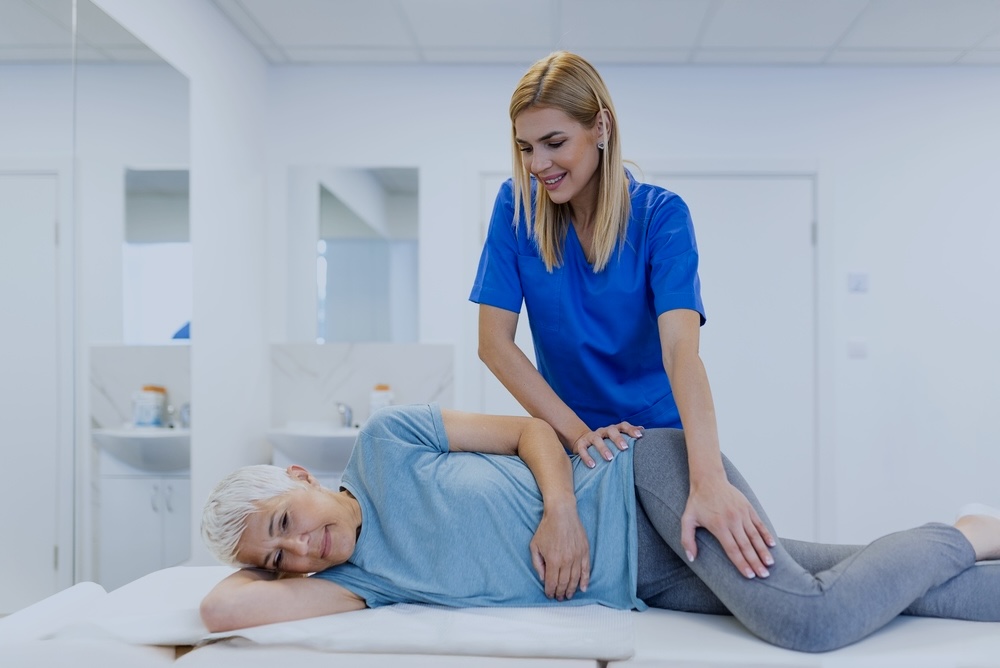
Surgery often affects strength, balance, and mobility for a period of time. Even successful procedures such as joint replacements or orthopedic surgeries may require rehabilitation before someone can safely return home.
Rehabilitation helps rebuild muscle strength, improve walking ability, and increase endurance through guided therapy sessions. It also focuses on practical daily activities such as getting dressed, bathing, moving safely around the home, and managing everyday routines. As confidence grows, many people become more comfortable returning to their normal level of activity.
People Healing From a Stroke
A stroke can affect movement, speech, swallowing, balance, and thinking skills. Recovery often continues well beyond the initial hospital stay, making rehabilitation an important part of the healing process.
Therapy helps people relearn skills that may have been affected by the stroke while encouraging gradual progress toward personal recovery goals. Every treatment plan is based on individual needs, allowing the care team to focus on the abilities that will have the greatest impact on daily life.
Seniors Recovering From Illness or Hospitalization
Even after an illness has improved, many older adults experience weakness from spending time in the hospital or being inactive for several weeks. Simple tasks like walking across a room, climbing stairs, or getting out of bed may suddenly become much more difficult.
Rehabilitation helps rebuild physical strength and endurance through structured therapy. It also teaches safer ways to move, reducing the risk of falls while improving confidence. As mobility improves, many people become better prepared for everyday activities and a safe return home whenever appropriate.
Individuals Living With Certain Medical Conditions
Some chronic or complex medical conditions may also benefit from rehabilitation services. Older adults recovering from cardiac disease, chronic obstructive pulmonary disease, complex wounds, or other health conditions often need additional support to regain strength and function.
Therapy works alongside skilled nursing care and physician-directed treatment to improve endurance, mobility, and overall daily function. Every rehabilitation plan is adjusted to match the person’s medical condition, progress, and individual goals throughout recovery.
Older Adults With Balance or Fall Concerns
Falls are one of the leading reasons older adults lose confidence and independence. Even when a fall does not cause a serious injury, it can create fear of walking, climbing stairs, or moving around without assistance. Over time, that fear may lead to less physical activity, making balance and strength even weaker.
Rehabilitation therapy focuses on improving stability, coordination, and muscle strength through guided exercises and functional training. Therapists also teach safer movement techniques that help reduce fall risks during everyday activities. Building confidence is just as important as improving physical ability, allowing older adults to remain active and maintain greater independence.
People Recovering From Complex Medical Conditions
Some medical conditions require ongoing recovery after leaving the hospital. Older adults recovering from congestive heart failure, chronic obstructive pulmonary disease, complex wounds, or other serious health concerns may benefit from rehabilitation as part of their overall care plan.
Therapy supports improved endurance, mobility, and everyday function while working alongside skilled nursing care and physician services. Progress is based on each person’s health needs and abilities, helping them improve comfort, participate more fully in daily activities, and achieve the highest level of function possible.
Why Rehabilitation Therapy Matters During Recovery
Recovery involves much more than healing from an illness or procedure. It also means rebuilding the ability to perform daily activities safely and with greater confidence.
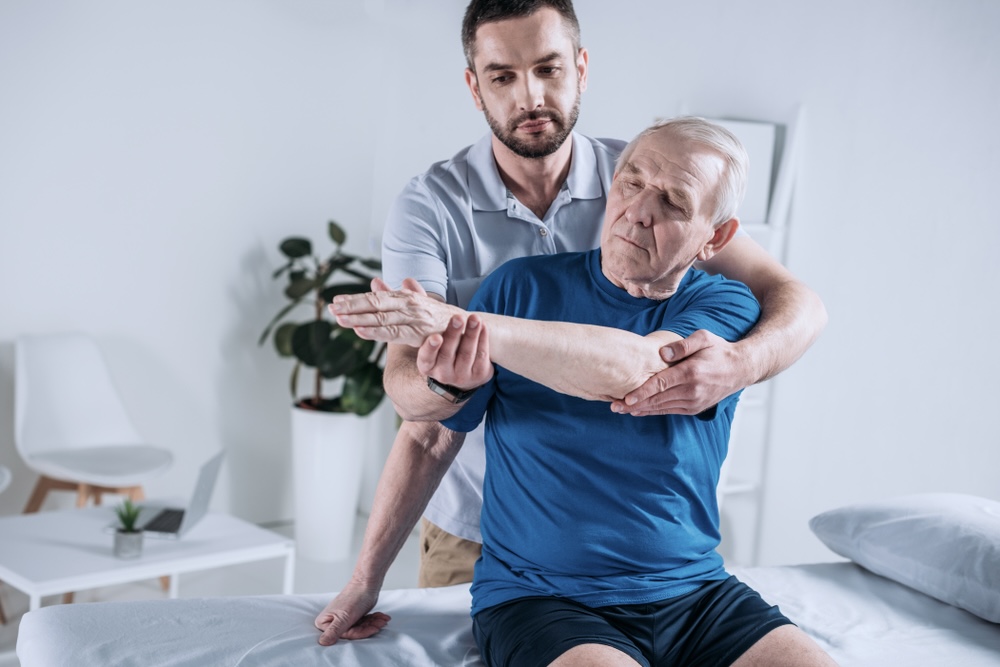
Without rehabilitation, weakness, poor balance, and reduced mobility may continue long after the original medical condition has improved. Therapy helps address these challenges through structured exercises, functional training, and personalized goals that match each person’s abilities. Small improvements often build upon one another, leading to greater independence over time.
Rehabilitation also supports emotional well-being. As people regain strength and accomplish meaningful goals, they often feel more confident participating in family life, hobbies, and everyday routines. Feeling capable again can make a significant difference during recovery.
When Is It Time to Consider Rehabilitation Therapy?
Many people begin rehabilitation shortly after surgery or a hospital stay once they are medically stable. Starting therapy early allows healthcare professionals to address weakness, mobility limitations, and other concerns before they become more difficult to overcome.
You may also want to ask about rehabilitation if you notice ongoing changes in physical ability after an illness or injury. Waiting too long may make recovery more challenging, while early intervention often helps people regain function sooner.
Signs Someone May Need Rehabilitation
Sometimes the need for rehabilitation is clear after surgery or hospitalization. In other cases, the signs appear gradually. Paying attention to changes in everyday function can help you seek support before problems become more serious.
You may want to speak with your healthcare provider if you or your loved one:
- Has difficulty walking or standing safely
- Needs more help with dressing, bathing, or other daily activities
- Feels much weaker after an illness or hospital stay
- Has experienced recent falls or has become unsteady on their feet
- Has trouble speaking clearly or swallowing after a stroke or other medical condition
- Becomes tired much more quickly during normal daily tasks
Recognizing these changes early may lead to earlier therapy, helping improve safety, mobility, and confidence throughout recovery.
What Can You Expect During Rehabilitation?
Every rehabilitation program begins with a comprehensive assessment. The care team evaluates current abilities, medical needs, personal goals, and any challenges that may affect recovery. This information helps create an individualized rehabilitation plan that reflects each person’s unique situation.
As therapy progresses, the care team regularly monitors improvement and adjusts the care plan when needed. Skilled nursing care, physician services, medication management, and rehabilitation professionals work together to support recovery throughout the process. Residents and their loved ones also receive education that helps prepare for a safe transition home whenever appropriate.
Recovery takes time, but consistent support and personalized therapy help many older adults make steady progress. Every milestone, whether walking farther, completing daily tasks more easily, or communicating more clearly, represents meaningful improvement toward greater independence.
Supporting Your Recovery Every Step of the Way
Elderly rehabilitation therapy helps older adults recover after surgery, illness, injury, stroke, and other health conditions by focusing on strength, mobility, communication, and everyday function. With personalized therapy and ongoing support, many people regain confidence and improve their ability to perform daily activities safely.
At Oakmont Guest Care Center, we provide short-term rehabilitation supported by 24-hour licensed skilled nursing care, physician services, and individualized rehabilitation plans. Our experienced team works together to help residents recover in a welcoming environment while protecting comfort, dignity, and quality of life. If you or your loved one is preparing for recovery after hospitalization, surgery, or illness, we’re here to help you understand your options and support the next step toward recovery.